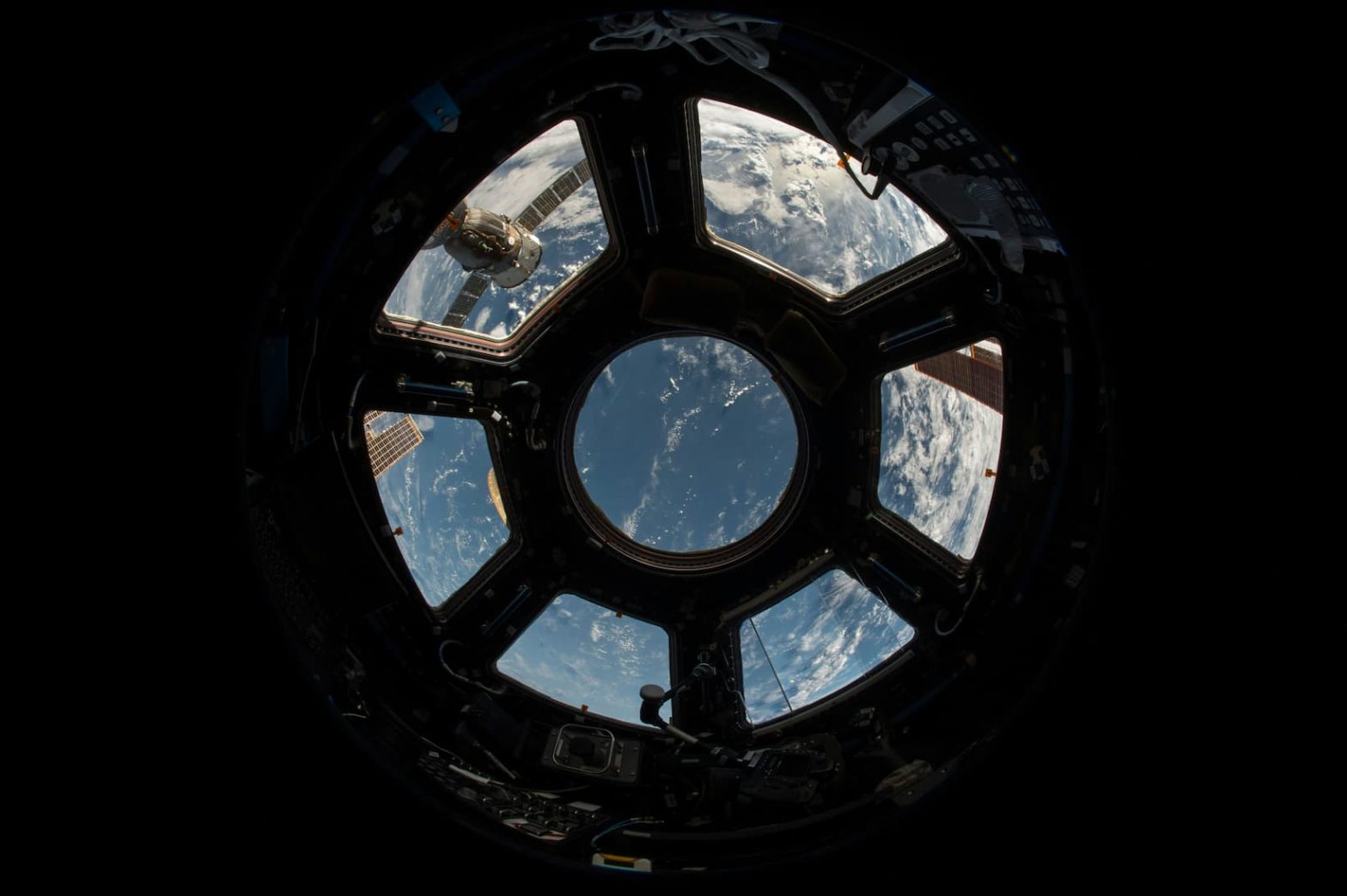
Space used to be a dream for scientists and astronauts. Now, it’s becoming a prediction market. People now bet on space milestones. They wager on who reaches orbit first, when rockets launch, or if a mission will face delays or problems. Space, once out of reach, now has odds and outcomes that make it thrilling to watch and talk about on platforms like 22Bet.
The Rise of Space Betting Markets
Prediction markets love uncertainty, and space tourism has plenty of it. People now bet on things like whether SpaceX will send civilians to orbit before Blue Origin reaches the Moon, or when space hotels will open. Once just sci-fi dreams, these questions now involve real money. Odds change as news updates come in—it’s part science, part guessing, and part story.
Why Space Captures the Betting Imagination
Something is thrilling about the unknown. Betting on sports or politics feels grounded, but space? That’s the edge of human achievement. Every rocket launch carries tension, risk, and awe. Bettors are drawn to that emotion. Predicting milestones makes them feel part of something historic. It’s no longer just watching a live stream of a rocket; it’s having a stake in how the future unfolds.
The Types of Space Bets Emerging
Some bets are simple: “Will Virgin Galactic complete three commercial flights this year?” Others are bold: “When will the first tourist orbit Mars?” The range spans from realistic to speculative. Platforms sometimes even allow side bets, like guessing which celebrity might book the next spaceflight. These wagers turn headlines into action and curiosity into participation.
A Market Driven by Data and Drama
Space betting isn’t all luck. Many participants study launch histories, engineering updates, or financial filings. When a company reports technical delays, odds shift. A new partnership with NASA or a successful test flight can flip the entire market. Like stock traders, bettors track details to anticipate momentum. But emotion still plays a role; drama around rivalries or public figures often sparks sudden surges in wagers.
When Predictions Meet Real Risks

Spaceflight is dangerous, and betting on accidents introduces moral gray areas. Some platforms avoid allowing bets on failures or crashes. Others treat them as part of risk prediction, not entertainment. This creates an ongoing ethical debate: should tragedy ever be part of a wager? While bettors see it as a way to measure safety confidence, critics argue that it trivializes human danger.
The Role of Private Space Companies
Companies like SpaceX, Blue Origin, and Virgin Galactic have transformed space into an entrepreneurial race. Their progress affects prediction odds directly. A successful test or government approval can cause betting spikes overnight. Each company’s reputation, innovation rate, and leadership style become data points. Bettors analyze Elon Musk’s tweets or Jeff Bezos’ interviews like stock traders read financial reports. The line between business analysis and gambling has never been thinner.
Civilians in Orbit: The Next Big Wager
The first all-civilian orbit in 2021 was a major milestone, but it opened new questions: Who will go next? Will civilian orbits become routine by 2030? Betting markets are already forecasting timelines for multi-day space stays, family flights, and even honeymoon packages in orbit. The thought of wagering on space vacations might sound strange today, but so did commercial air travel a century ago.
Why Governments and Scientists Are Watching
Oddly enough, prediction markets can produce useful insights. When thousands of people collectively wager on launch success or technology readiness, their collective estimate often mirrors real-world probabilities. Economists call this the “wisdom of crowds.” Some space analysts quietly follow these betting trends to gauge public confidence in certain companies or timelines. The data can reveal public trust or doubt, faster than polls ever could.